









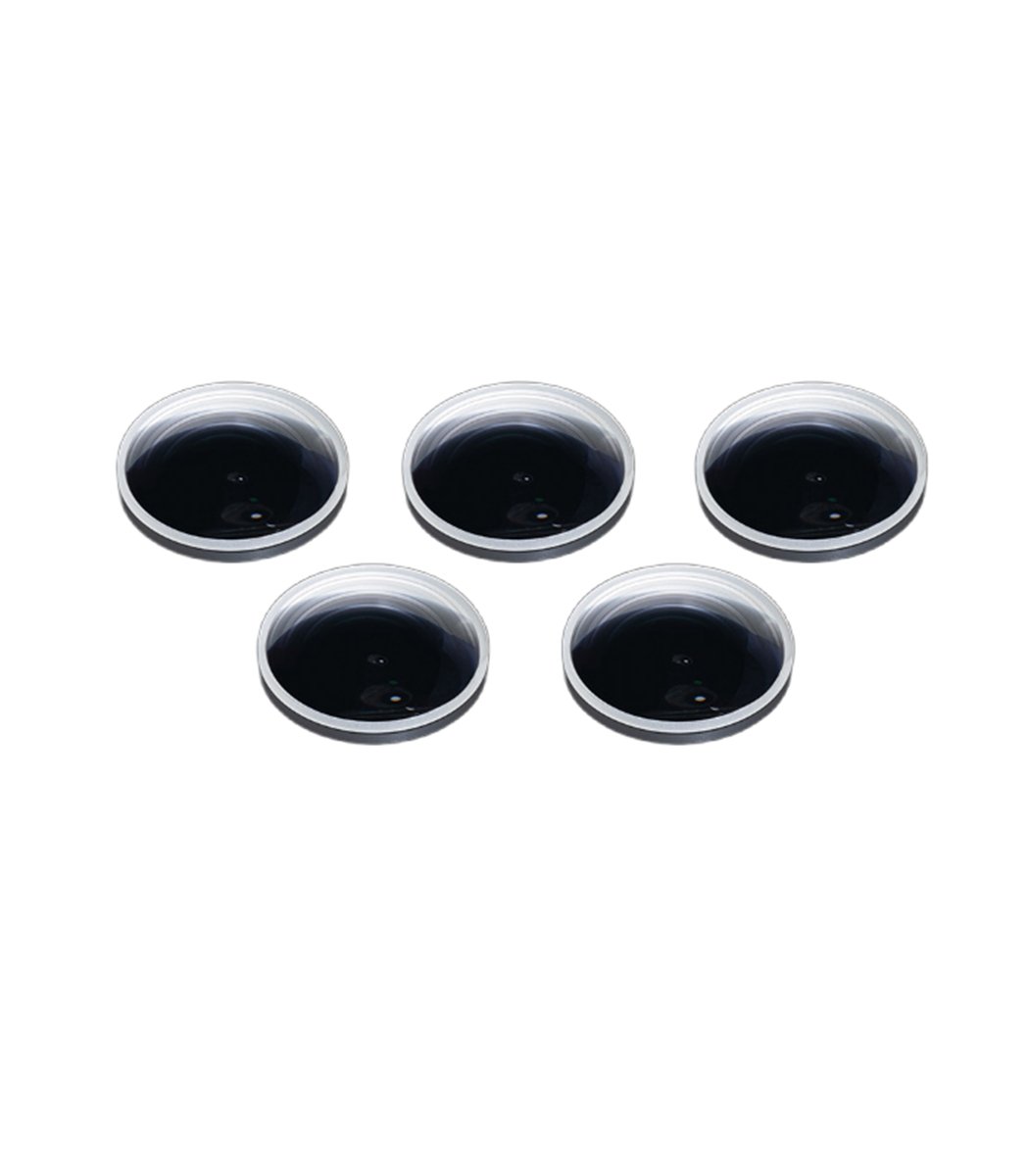













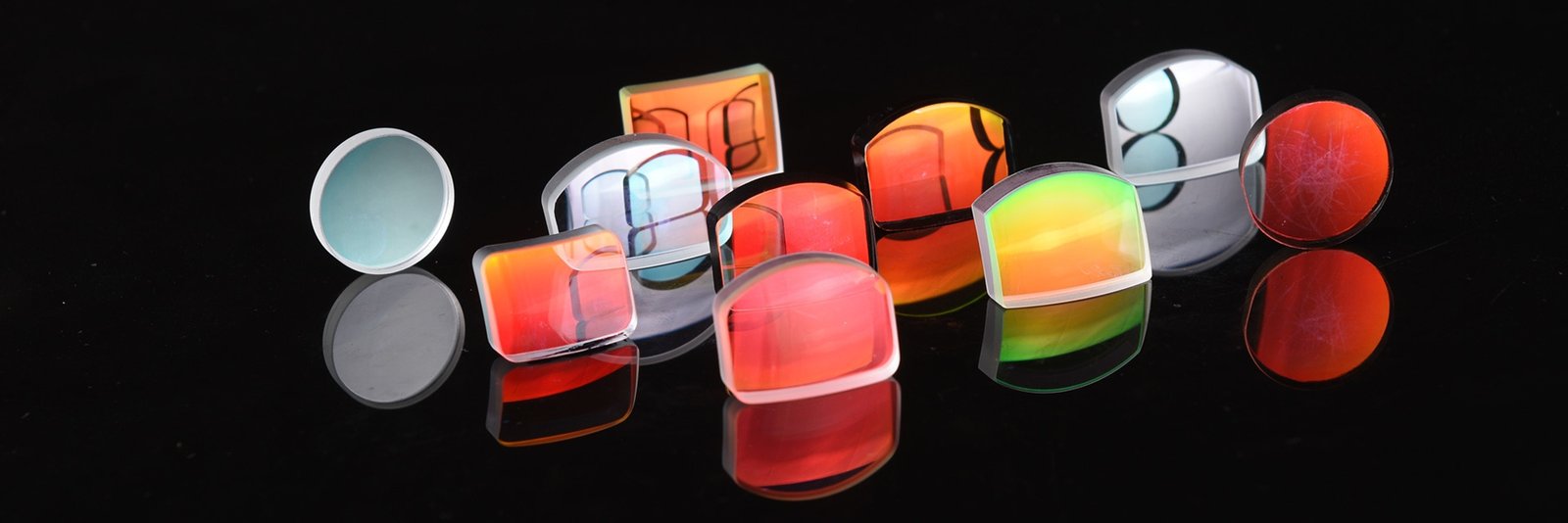
Analysis of the differences in the incidence of light on different faces of a crescent lens

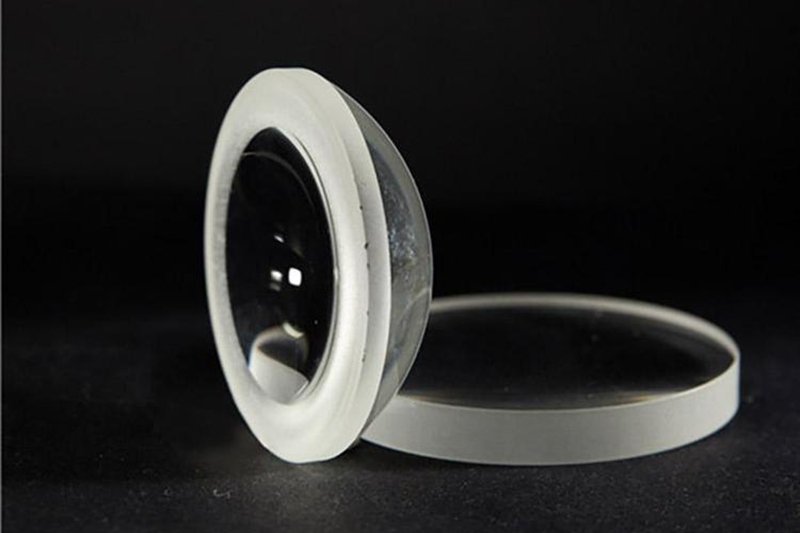
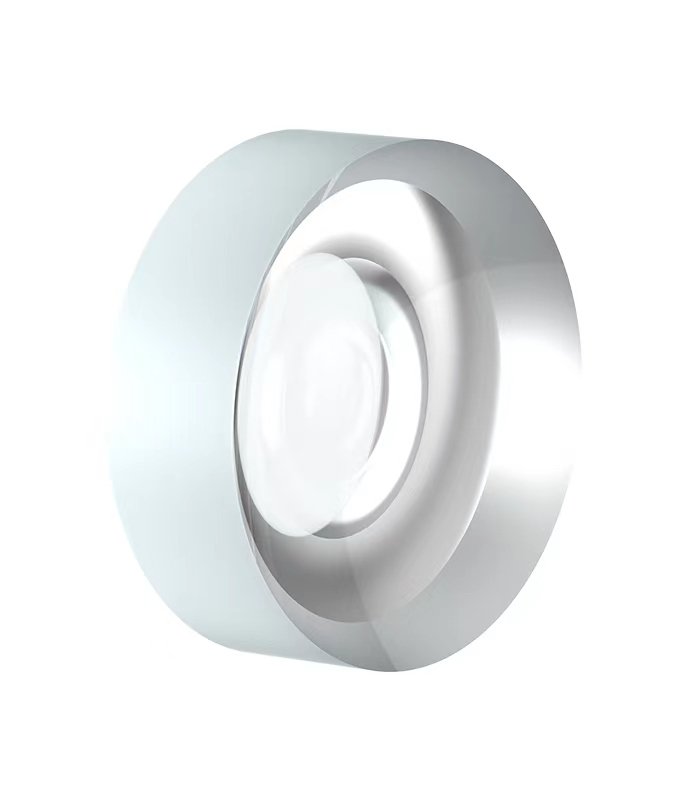
The difference between the two surfaces of a meniscus lens as the incident surface is that compared to a plano convex lens, a meniscus lens has a special feature – it has both positive and negative optical power surfaces, and this asymmetry can cause a more significant impact on the incident direction than a plano convex lens.
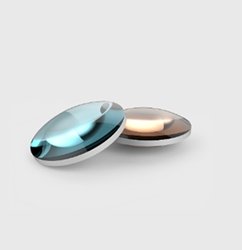
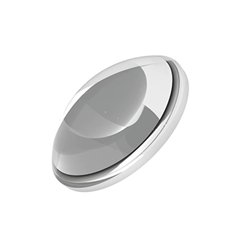
Positive crescent lens: thick at the center and thin at the edges, with a converging effect as a whole (such as f>0)
Negative crescent lens: thin at the center and thick at the edges, with a divergent effect as a whole (such as f<0)
The main differences from plano convex lenses are reflected in two points:
Firstly, it is necessary to distinguish between positive and negative crescent types, which is much more complex than a plano convex lens;
The second is the asymmetry caused by the difference in curvature radius between convex and concave surfaces;
Spherical aberration
Positive crescent lens (convergent type)
Convex incidence:
The light first converges on the convex surface and then diverges slightly on the concave surface.
Reduction of spherical aberration: The divergence effect of the concave surface offsets the excessive deflection of light rays at the edge of the convex surface.
Concave incidence:
The light first diverges through the concave surface and then converges through the convex surface.
Increased spherical aberration: Initial divergence leads to an increase in subsequent convergence requirements, resulting in edge rays being too skewed.
Positive crescent lens (convergent type)
Convex incidence:
The light first converges on the convex surface and then diverges slightly on the concave surface.
Reduction of spherical aberration: The divergence effect of the concave surface offsets the excessive deflection of light rays at the edge of the convex surface.
Concave incidence:
The light first diverges through the concave surface and then converges through the convex surface.
Increased spherical aberration: Initial divergence leads to an increase in subsequent convergence requirements, resulting in edge rays being too skewed.
Positive crescent lens (convergent type)
Convex incidence:
The light first converges on the convex surface and then diverges slightly on the concave surface.
Reduction of spherical aberration: The divergence effect of the concave surface offsets the excessive deflection of light rays at the edge of the convex surface.
Concave incidence:
The light first diverges through the concave surface and then converges through the convex surface.
Increased spherical aberration: Initial divergence leads to an increase in subsequent convergence requirements, resulting in edge rays being too skewed.
Characteristic convex surface as incident surface, concave surface as incident surface
Spherical aberration
Positive crescent: decreasing
Negative crescent: increase
Positive crescent: increase
Negative crescent: decrease
Field curvature correction ability
Positive crescent moon: compensating for square field curvature
Negative crescent moon: compensating for the curvature of the material field
Reverse effect, disrupting the equilibrium of the field curvature
Astigmatism control is better (especially for positive crescent) but poorer
Best Applicable Scenarios
Positive crescent moon: the last image of the imaging system
Negative crescent moon: wide-angle lens first shot
Special requirements (such as reverse light path)
Positive crescent lens (convergent type)
Convex incidence:
The light first converges on the convex surface and then diverges slightly on the concave surface.
Reduction of spherical aberration: The divergence effect of the concave surface offsets the excessive deflection of light rays at the edge of the convex surface.
Concave incidence:
The light first diverges through the concave surface and then converges through the convex surface.
Increased spherical aberration: Initial divergence leads to an increase in subsequent convergence requirements, resulting in edge rays being too skewed.

 English
 Hindi
Hindi Spanish
 Arabic
 French
 German
 Portuguese
 Korean
 Japanese